Malaysia Is Betting Big on Solar
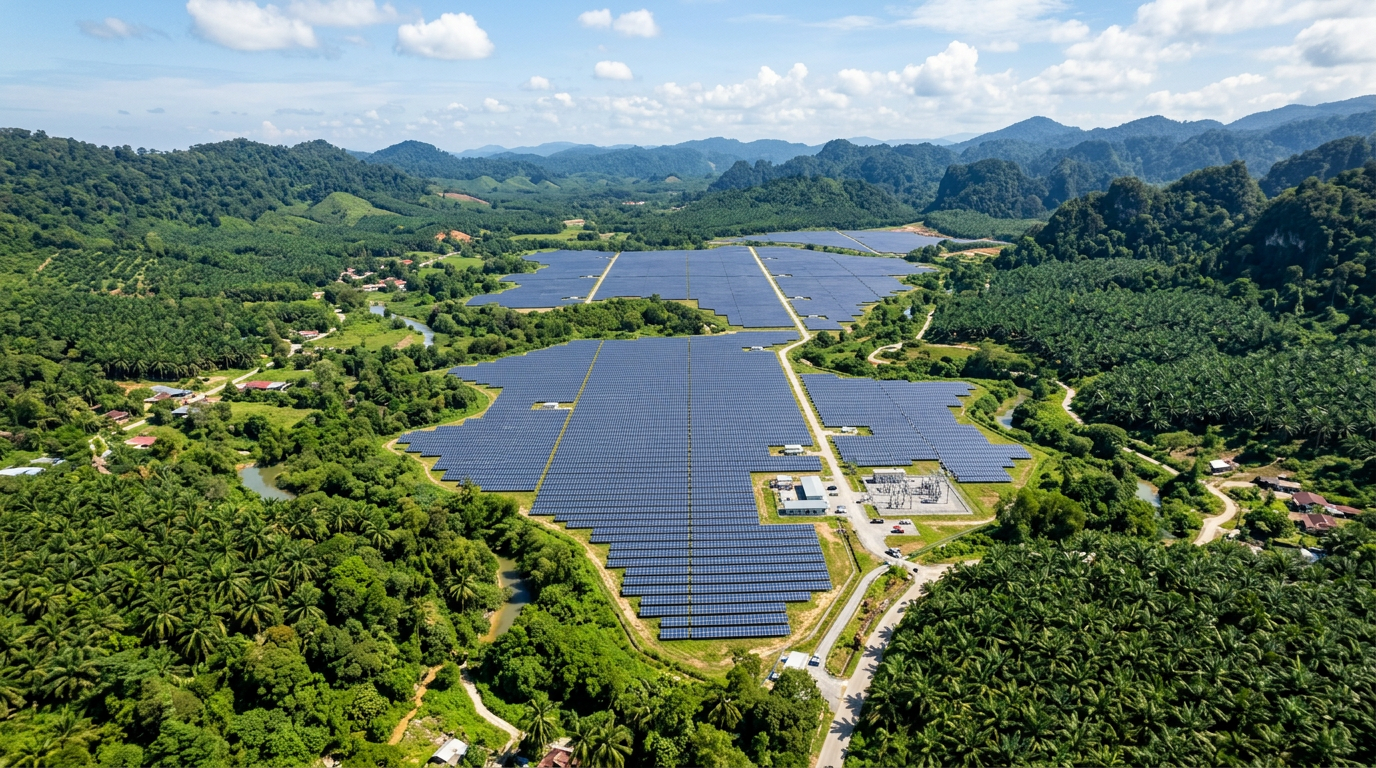
Malaysia has set ambitious renewable energy targets under its 13th Malaysia Plan: 35% renewable energy share by 2030 and net-zero carbon emissions by 2050. Solar energy is at the centre of this transition.
According to industry analysis, Malaysia’s solar energy capacity is expected to grow from 3.75 GW in 2025 to 16.5 GW by 2030 — a compound annual growth rate of over 34%. IRENA estimates that achieving these targets would require approximately USD 10.8 billion in solar investments by 2030.
Why This Matters for Ipoh Homeowners
This massive growth in solar capacity means:
Lower equipment costs. As demand grows and more installers enter the market, competition drives prices down. Residential systems that cost RM30,000+ five years ago now cost RM15,000–RM25,000 for equivalent capacity.
Better support infrastructure. More installers, better financing options, and improved after-sales service in Perak and across Malaysia.
Grid improvements. The government plans to install 500 MW of battery energy storage from 2030 to support solar integration, improving grid reliability for solar-connected homes.
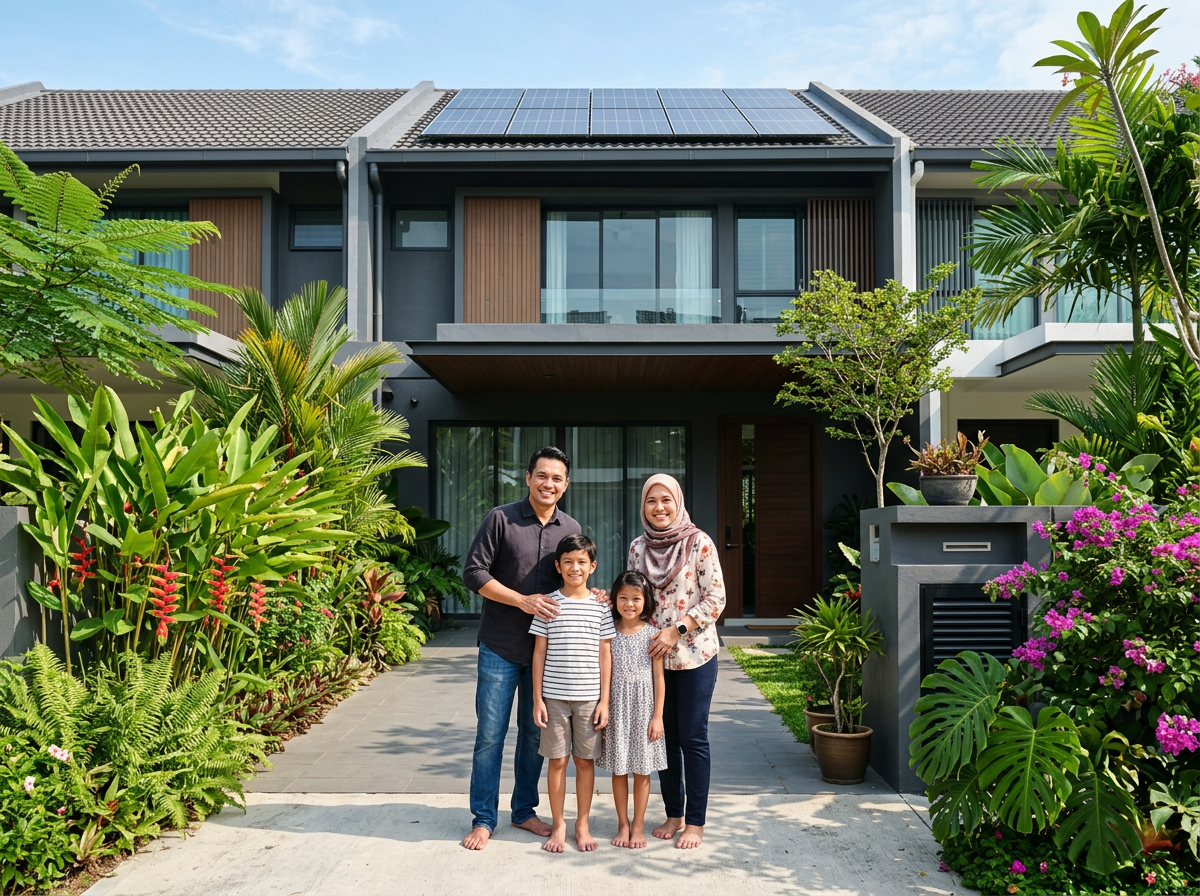
Policy stability. With renewable energy written into national plans, homeowners can be confident that solar-supportive policies like Solar ATAP will continue and improve.
Perak’s Role in the Transition
Perak receives strong solar irradiance (4.0–4.5 peak sun hours per day) and has significant rooftop potential across Ipoh, Taiping, and other urban centres. As Malaysia pushes toward its 2030 targets, Perak homeowners who go solar early stand to benefit the most from current pricing and incentives.